- aalco_office
- June 4, 2026
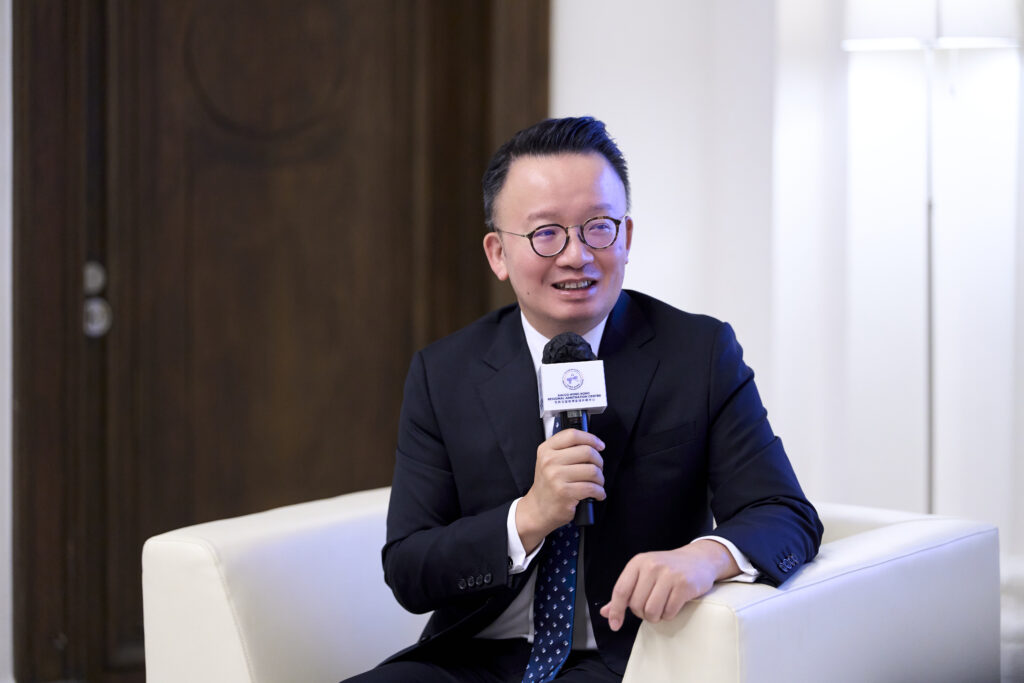
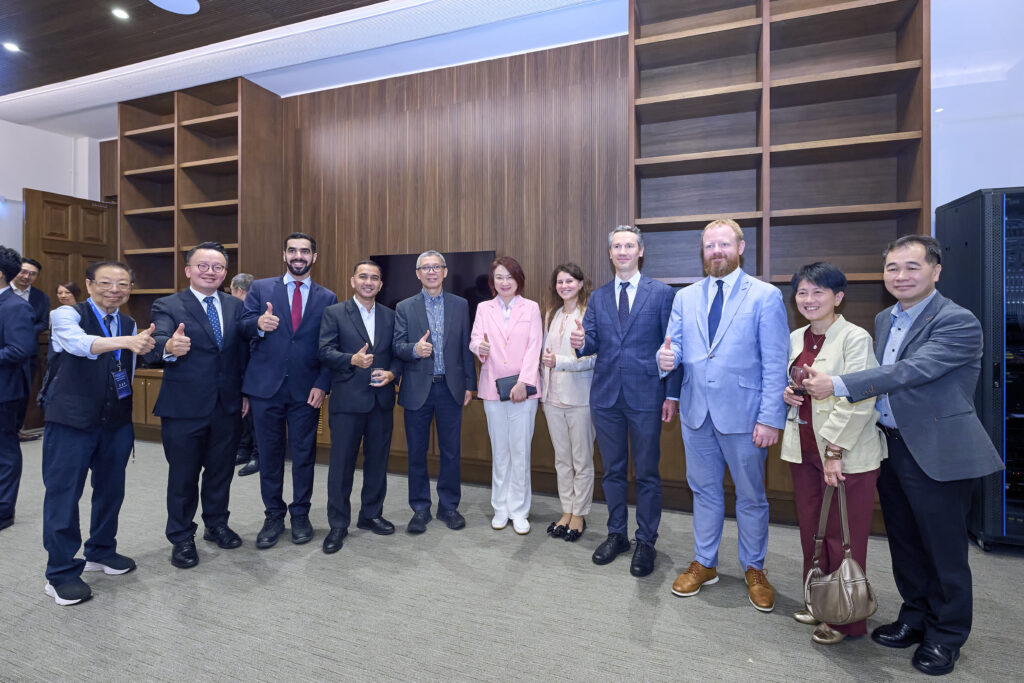
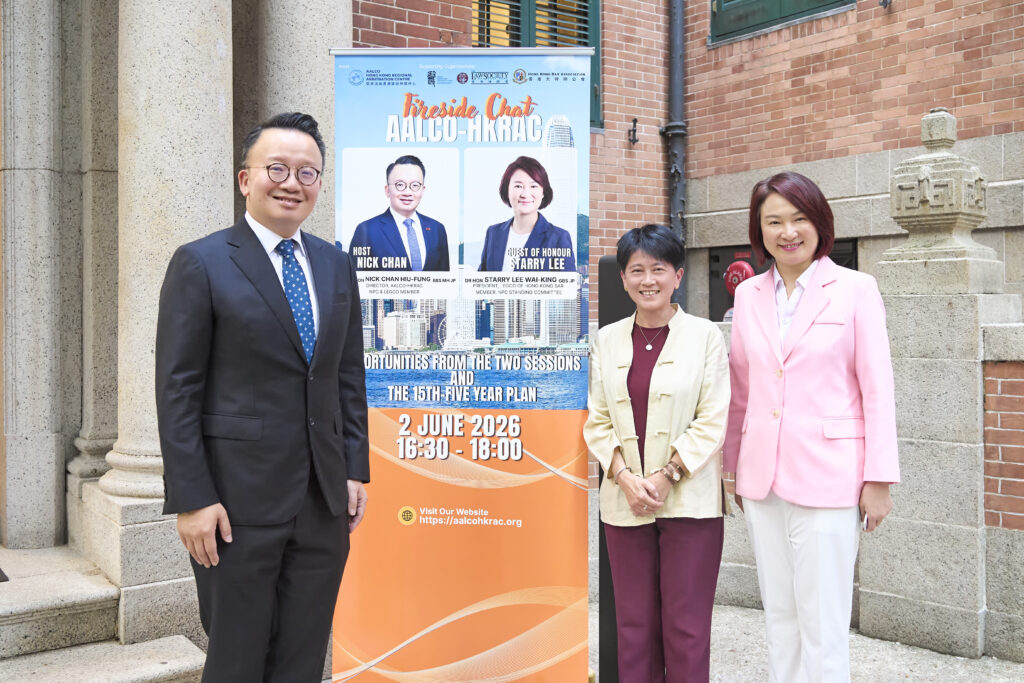
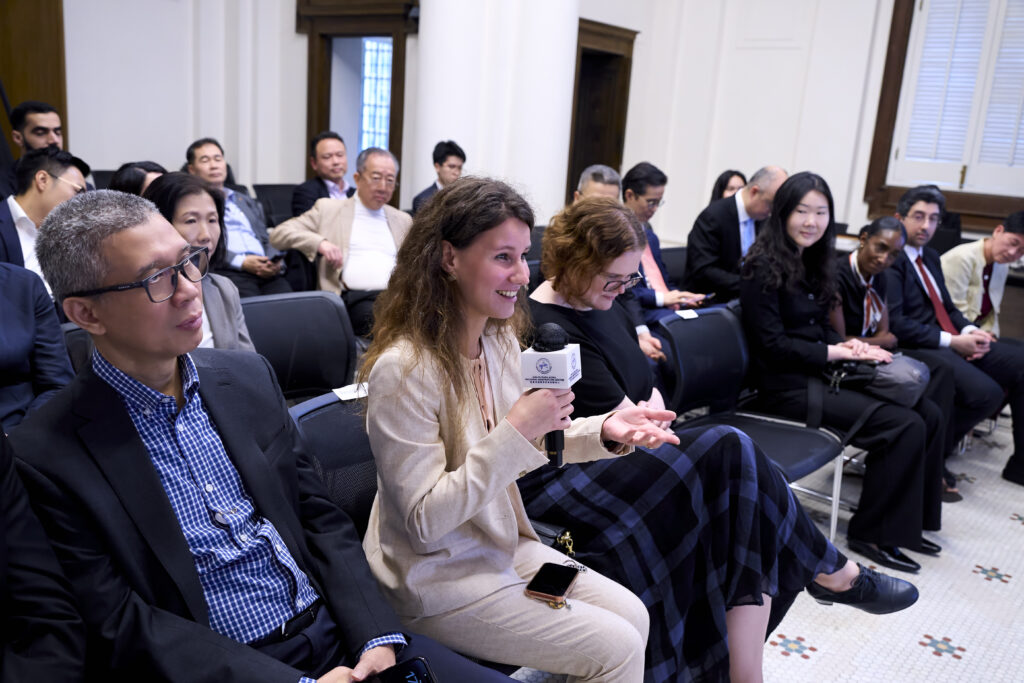
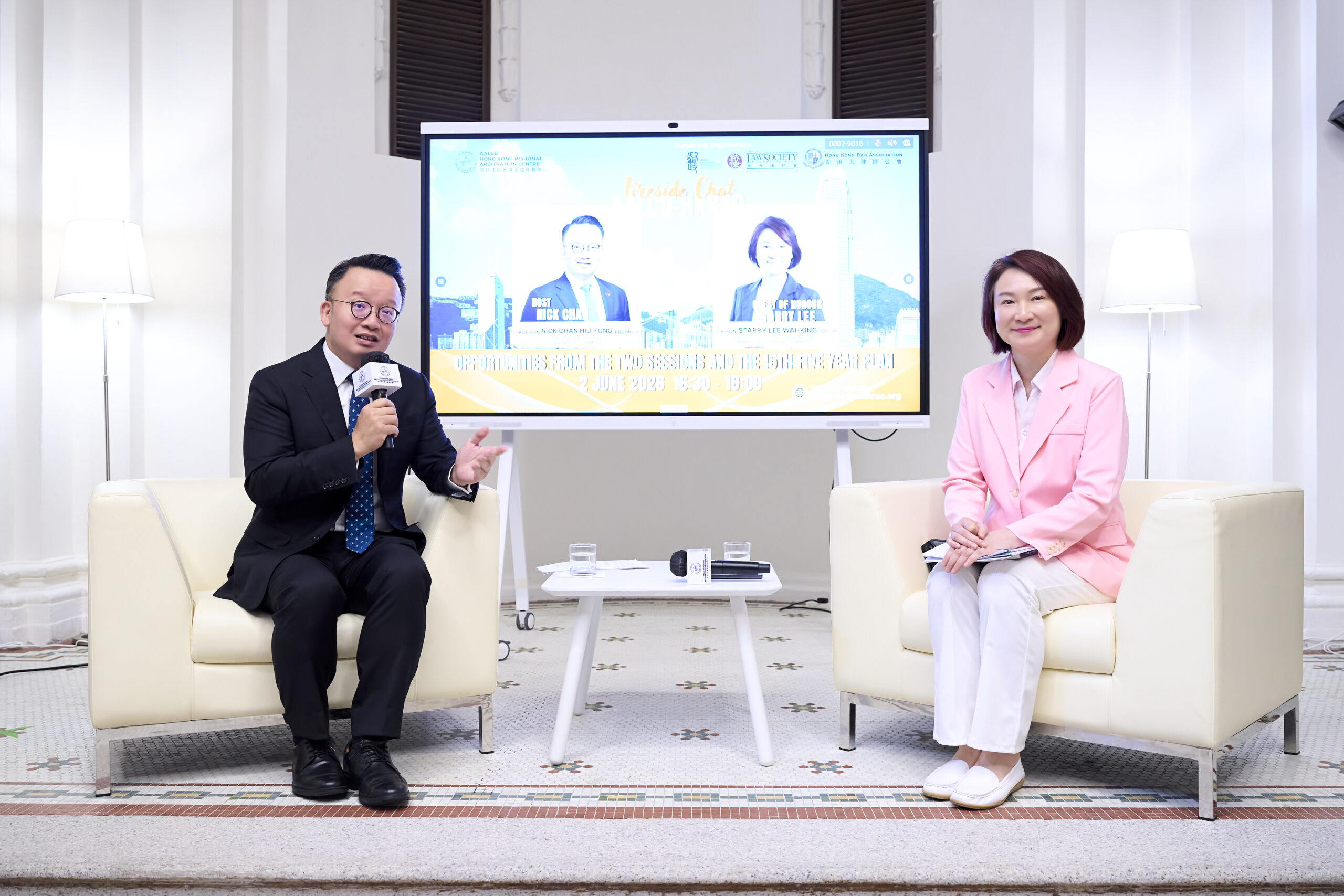
As China enters the 15th Five-Year Plan period (2026–2030), Hong Kong stands at a pivotal juncture—moving from stability to prosperity, and from recovery to higher-quality growth with deeper international connectivity. On Tuesday, 2 June 2026, AALCO Hong Kong Regional Arbitration Centre (AALCO-HKRAC) hosted its 15th Fireside Chat at the Former French Mission Building under the theme “Opportunities from the Two Sessions and the ‘Fifteen-Five Year Plan’.” The session was hosted by Prof. the Hon. Nick Chan, BBS, MH, JP (Director, AALCO-HKRAC | NPC & LegCo Member), and we were honoured to welcome Dr. the Hon. Starry Lee Wai-king, GBS, JP (President of the Legislative Council of the HKSAR | Member of the NPC Standing Committee) as sharing guest.
Drawing on her unique vantage point—participating in both national legislative work and Hong Kong’s lawmaking—Dr. Lee shared how Hong Kong can seize opportunities arising from the Two Sessions and the 15th Five-Year Plan to strengthen its role as a trusted “super-connector” for capital, data, and dispute resolution services, while navigating the dual policy emphasis on high-quality development and risk prevention.
Understanding the Two Sessions and Five-Year Plans: annual priorities and a medium-to-long-term roadmap
Dr. Lee explained that the “Two Sessions” refer to the annual meetings of the National People’s Congress (NPC) and the Chinese People’s Political Consultative Conference (CPPCC)—a key window into China’s governance priorities and institutional direction. The Five-Year Plan serves as a national roadmap that guides strategic planning and resource allocation in major projects and key sectors, providing continuity and policy clarity for long-term development.
The key theme of the 15th Five-Year Plan: “high-quality development” and “new-quality productive forces”
A core message highlighted by Dr. Lee was the shift from “growth at all costs” towards quality-driven growth, captured by the keyword “high-quality development.” The Plan places strong emphasis on technology, innovation and sustainability, and further elevates the concept of “new-quality productive forces”—advanced productivity enabled by AI, green technologies and innovation-led industrial upgrading. The Plan also underscores self-reliance in critical technologies and risk prevention across finance, energy and supply chains, reflecting a holistic “development and security” approach.
What the GDP growth target signals: realism, flexibility, and structural opportunities
Addressing the Plan’s GDP growth target of around 4.5%–5%, Dr. Lee noted that the adjustment sends a signal of realism and flexibility. The emphasis is increasingly on quality over quantity, with policy attention directed towards long-term capability building in sectors such as AI, biotech, renewable energy and high-end manufacturing, alongside measures supporting consumption and employment to stabilise expectations.
Data security and cross-border data flow: building rules for safe mobility—Hong Kong as a pilot platform
On cross-border data governance, Dr. Lee observed that the Plan supports data flow with security and privacy protections, indicating a policy direction centred on rule-building rather than restriction for its own sake. Hong Kong’s internationally aligned privacy framework (PDPO) places it in a strong position to explore cross-border data pilots in the Greater Bay Area—potentially starting with finance, healthcare or research data—thereby reinforcing Hong Kong’s role as a trusted data “super-connector” between China and the world.
Tech self-reliance does not mean closed doors: Hong Kong’s value is bridge-building
Dr. Lee emphasised that tech self-reliance should not be read as “closed doors,” but as strengthening domestic capability while remaining open to international cooperation and standards. In an increasingly complex global environment, Hong Kong’s internationally oriented common law system and rule-of-law credibility can help build bridges, offering practical pathways in emerging areas such as AI ethics, cross-border compliance and data governance.
Risk prevention and Hong Kong’s super-connector role: stability enhances connectivity
Responding to the view that the Plan is primarily about “building walls,” Dr. Lee noted that risk prevention and connectivity are two sides of the same coin: a stable, secure and predictable environment attracts business and capital. With smart risk management, Hong Kong’s super-connector function can be enhanced, not weakened.
Closing: translating “15th Five-Year Plan” opportunities into Hong Kong’s long-term competitiveness
The discussion underscored Hong Kong’s potential to convert national policy signals into local institutional and professional strengths—particularly in dispute resolution and foreign-related rule of law services. AALCO-HKRAC will continue to facilitate dialogues, training and international exchanges to support Hong Kong’s development as a trusted hub for cross-border commerce, data governance and dispute resolution.