- aalco_office
- May 13, 2026
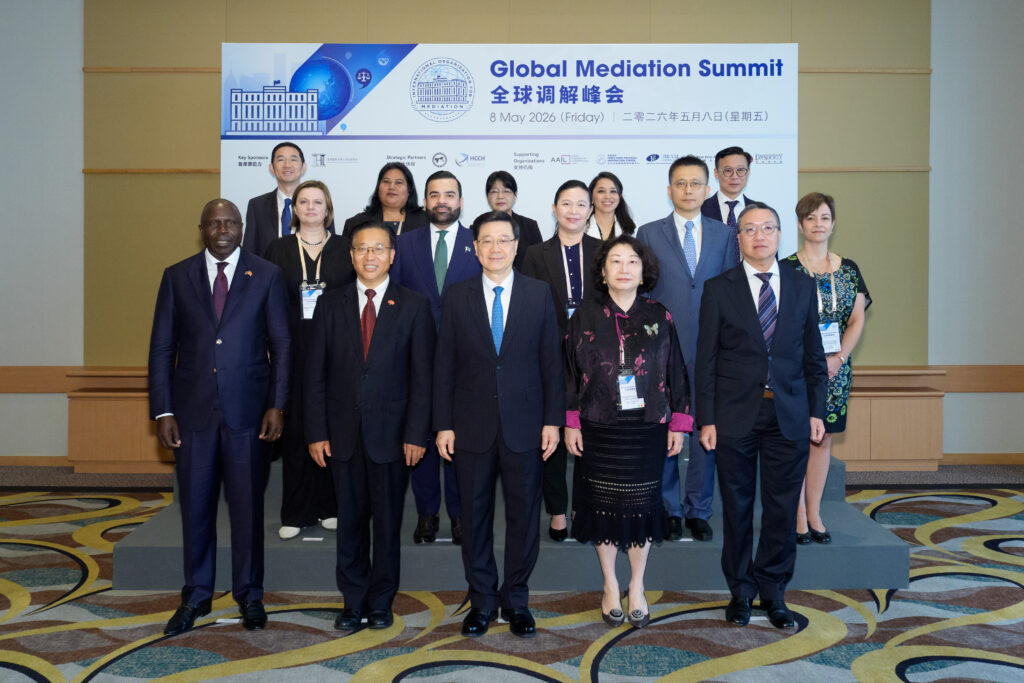
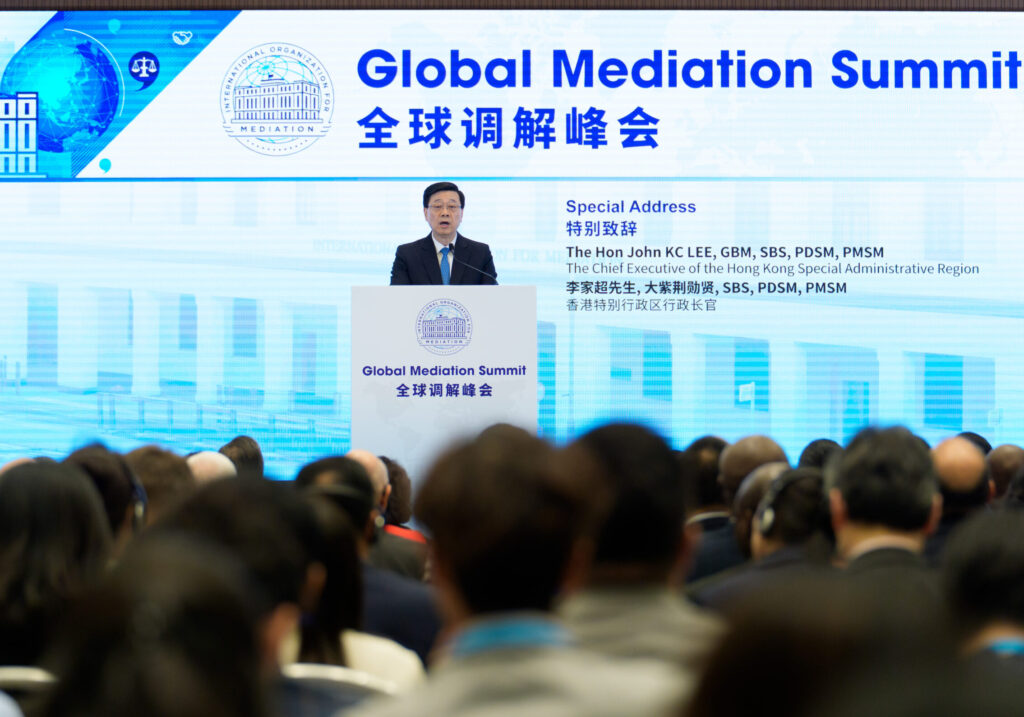
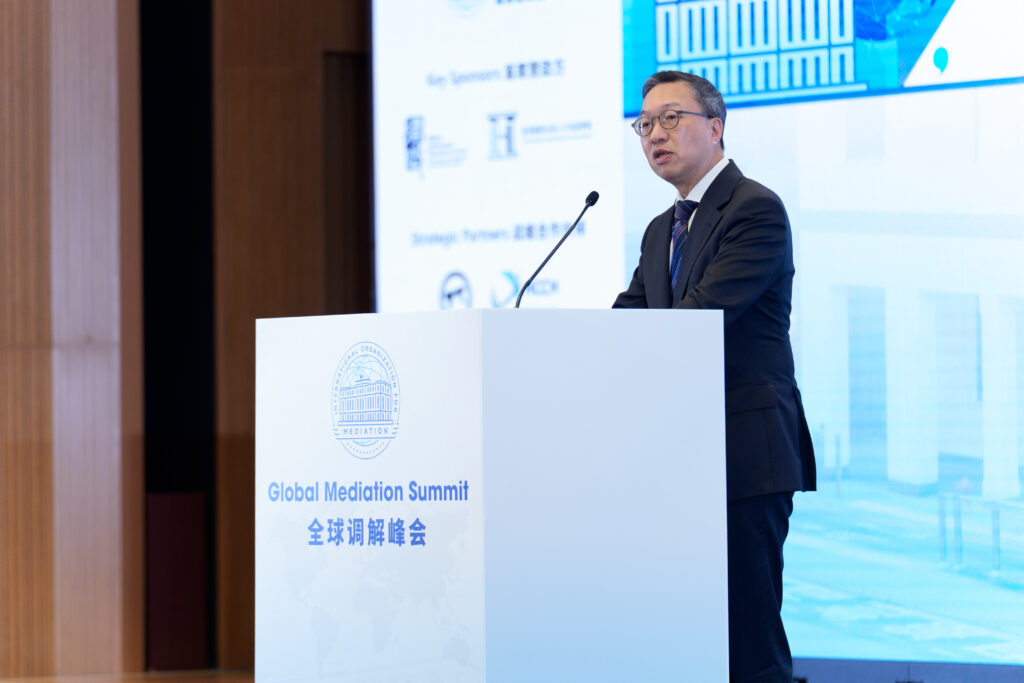
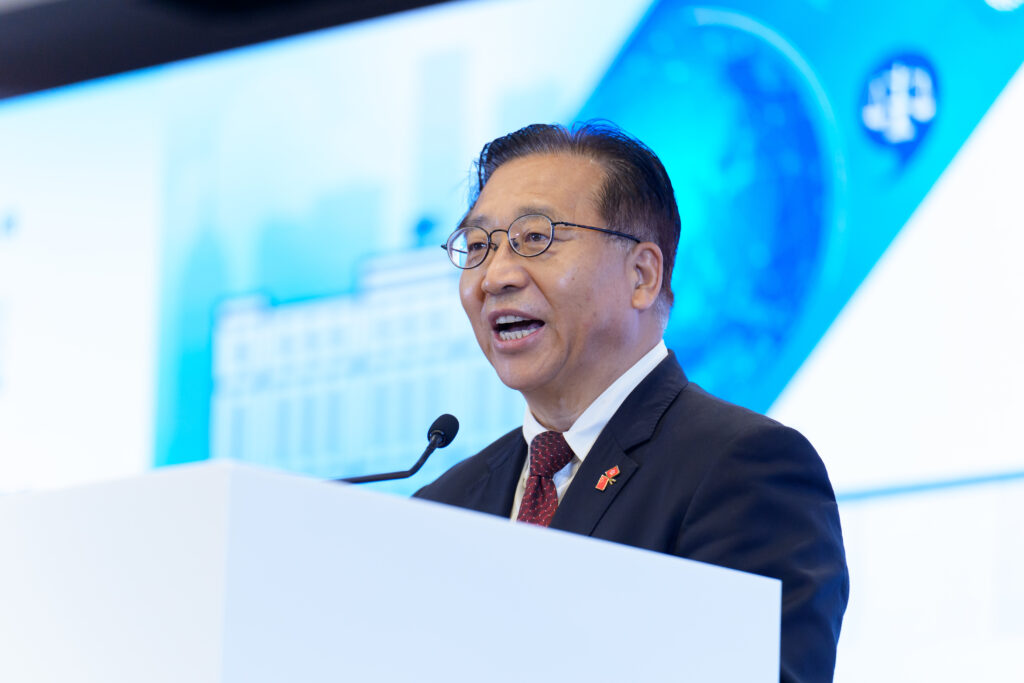
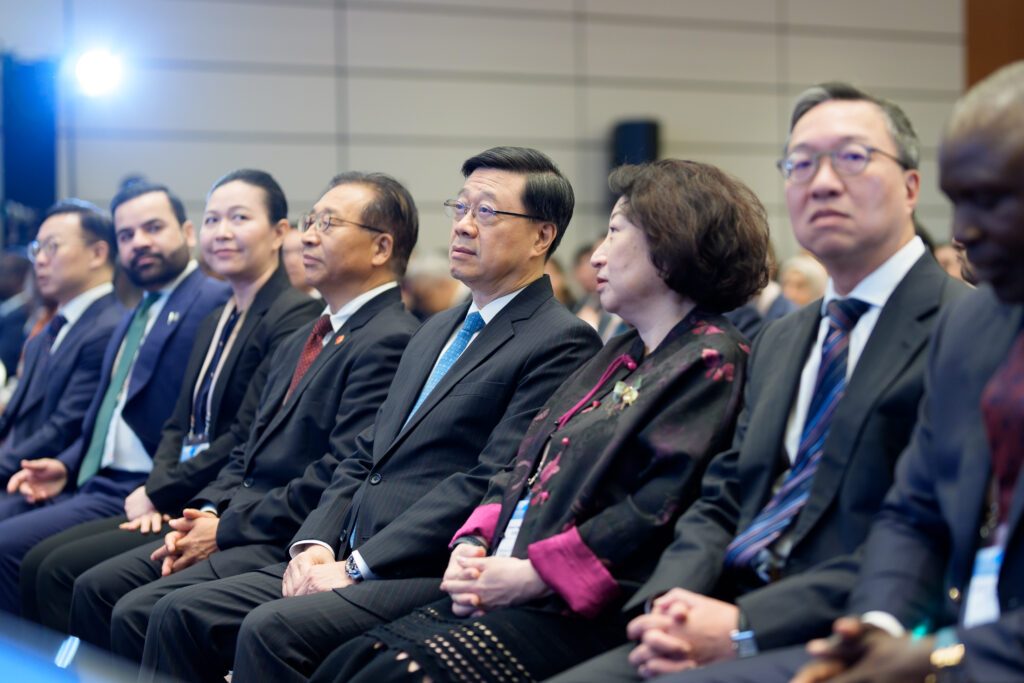
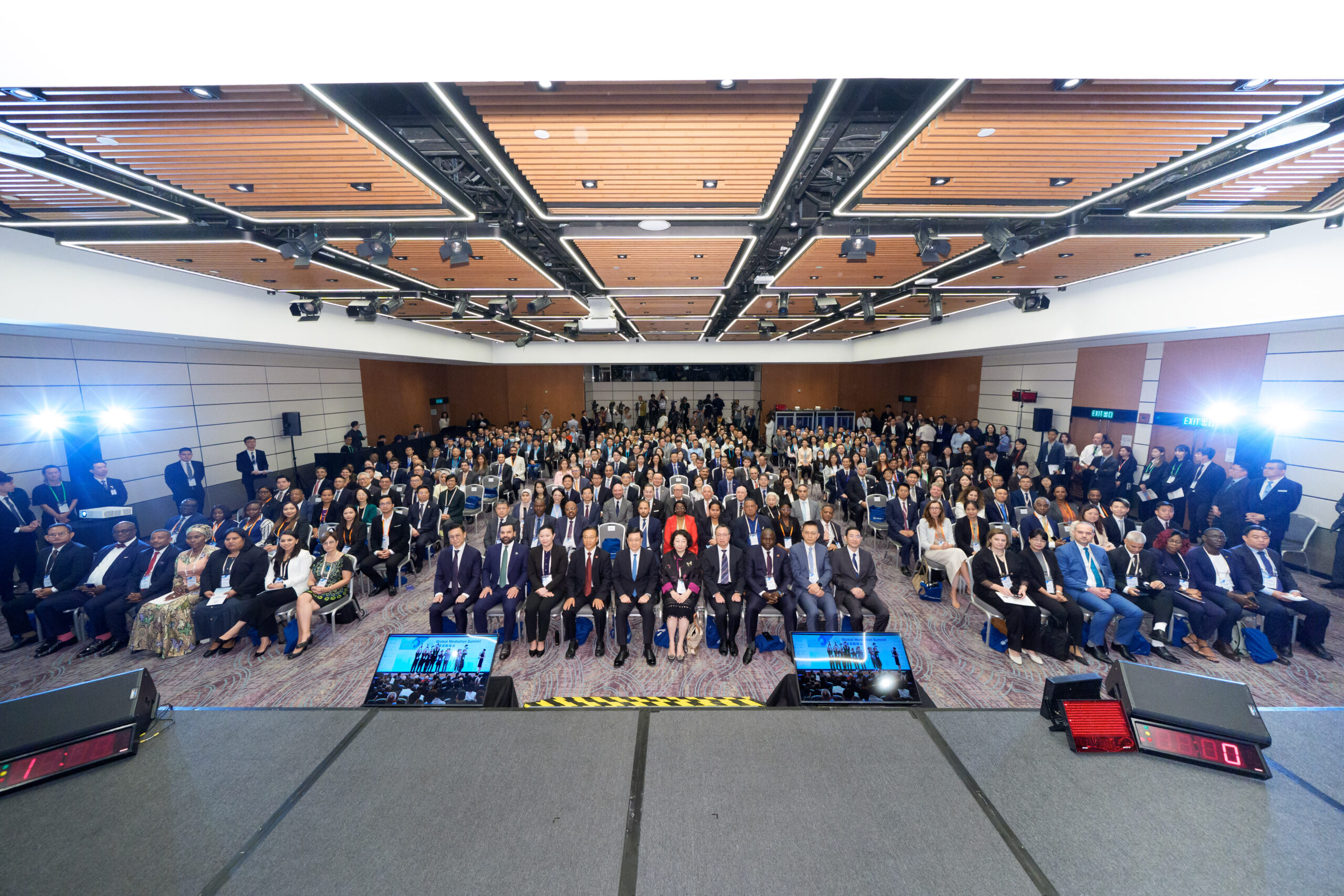
AALCO Hong Kong Regional Arbitration Centre (AALCO-HKRAC, the “Centre”), as a supporting organization, fully supported the 2026 Global Mediation Summit, which was successfully held on May 8 at the Hong Kong Convention and Exhibition Centre. The Summit was hosted for the first time by the International Organization for Mediation (IOMed) whose headquarters are located in Hong Kong, with strong support from the Hong Kong Department of Justice and the Hong Kong International Legal Talents Training Academy. The event brought together over 400 mediation experts, policymakers, and industry leaders from 48 countries and regions.
During the Summit, Prof. Nick Chan Hiu fung, BBS, MH, JP, AALCO-HKRAC Director and Mr. Dennis Cai, Deputy Director attended and engaged in in-depth exchanges with experts and scholars from around the world, jointly exploring the future development of mediation systems.
AALCO’s 70th Anniversary: The Bandung Spirit Aligns Closely with the Vision of the International Organization for Mediation
This year marks the 70th anniversary of the Asian-African Legal Consultative Organization (AALCO). As a strategic collaboration partner of the Summit, AALCO has consistently upheld the spirit of the 1955 Bandung Conference—“peaceful coexistence, seeking common ground while reserving differences.” Over the past seven decades, this spirit has guided Asian and African countries in advancing together in the field of international rule of law and in promoting the peaceful settlement of disputes.
AALCO’s mission—to promote consultation and cooperation among Asian and African countries in the field of international law and the peaceful resolution of disputes—closely aligns with the IOMed’s vision of resolving international disputes through mediation and other amicable means. In the new era, the Bandung Spirit continues to be carried forward, and AALCO is playing an increasingly important role in global governance.
Hong Kong: A Legal Services and Dispute Resolution Hub Under “One Country, Two Systems”
With the distinctive advantages under “one country, two systems,” Hong Kong—China’s only jurisdiction that practices the common law—continues to attract international legal organizations to establish a presence here. IOMed being headquartered in Hong Kong is a strong testament to this.
At the same time, Hong Kong’s mediation and arbitration legal framework has continued to improve—from the implementation of the Mediation Ordinance, to the unification and amendment of the Arbitration Ordinance, and to the recent launch of the Sports Dispute Resolution Pilot Scheme—all reflecting Hong Kong’s determination and efficiency in strengthening the rule-of-law framework for dispute resolution.
This year is the opening year of the nation’s 15th Five-Year Plan. The Plan clearly supports Hong Kong in enhancing its status as an international centre for finance, shipping, and trade, and in building an Asia-Pacific international legal and dispute resolution services centre. Driven by both “one country, two systems” and the 15th Five-Year Plan, Hong Kong’s role as a legal services and dispute resolution hub has become even clearer, opening up broad development opportunities. The Centre firmly believes that Hong Kong is well positioned and fully capable of becoming a global capital of mediation.
The Centre in Practice: “Mediation First, Arbitration Later,” and Integrated Mediation–Arbitration
The Centre has consistently advocated the concept of “mediation first, arbitration later” and integrated mediation–arbitration. Mediation is efficient and flexible, helping to maintain commercial relationships. Even if mediation does not succeed, it can narrow the scope of disputes and reduce subsequent costs. More importantly, during arbitration proceedings, the Centre also actively encourages parties to attempt mediation, using a more flexible and constructive approach to resolve differences and achieve an organic integration of arbitration and mediation.
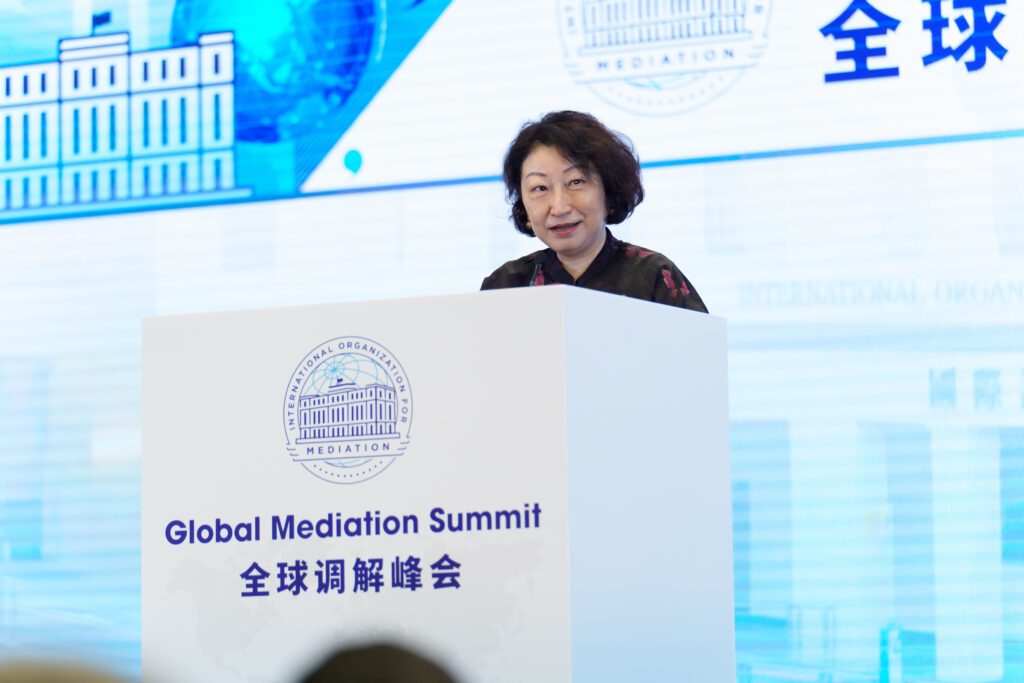
In December 2025, the Centre was entrusted by the Hong Kong Department of Justice to manage the Pilot Scheme on Sports Dispute Resolution, which explicitly adopts the “mediation first, arbitration later” principle and retains a mediation channel within arbitration proceedings. An online platform has also implemented 24/7 electronic filing services, making dispute resolution readily accessible. At this Summit, Prof. Teresa Cheng Yeuk wah, GMB, GBS, SC, JP as the Secretary-General of IOMed revealed that after the Organization was headquartered in Hong Kong, its first maritime dispute was successfully resolved through mediation. The two parties involved were from China and Singapore, which has strengthened confidence in diversified dispute resolution mechanisms.
Sparing No Effort to Promote Dispute Resolution Talent Development in Hong Kong
The Centre recognizes that to truly build a global dispute resolution hub, Hong Kong must have a sufficiently large, professional, and internationalized pipeline of legal talent. To that end, the Centre has spared no effort in promoting talent development in Hong Kong: regularly organizing mediation and arbitration training courses, international moot court competitions, and seminars; selecting international experts from different jurisdictions to join its mediator and arbitrator panels; and supporting young lawyers and law students in participating in practical case assistance work. The Centre will continue to collaborate with the Hong Kong Department of Justice, major law schools, and professional bodies to cultivate more specialists proficient in mediation, arbitration, and integrated mediation–arbitration for Hong Kong.
Working Together to Build a Peaceful and Just Global Dispute Resolution Ecosystem
The Centre will continue to work with all stakeholders to promote mediation as the preferred option for dispute resolution, advance innovative practices integrating mediation and arbitration, and support the strategic initiatives of the Hong Kong Department of Justice and the International Organization for Mediation. The Centre will contribute to building Hong Kong into a “global mediation capital,” to advancing the goals of the 15th Five-Year Plan, and to developing a peaceful and just global dispute resolution ecosystem.